

A Bystander to Your Own Loss

I'm Jacky. Eleanor and I spent around five years trying to have our son. Three rounds of IVF, four rounds of ovarian stimulation, and three losses along the way. If you've been anywhere near this road, you know it isn't one grief. It's a lot of small ones stacked on top of each other, over and over, with hope in between that makes each one land harder.
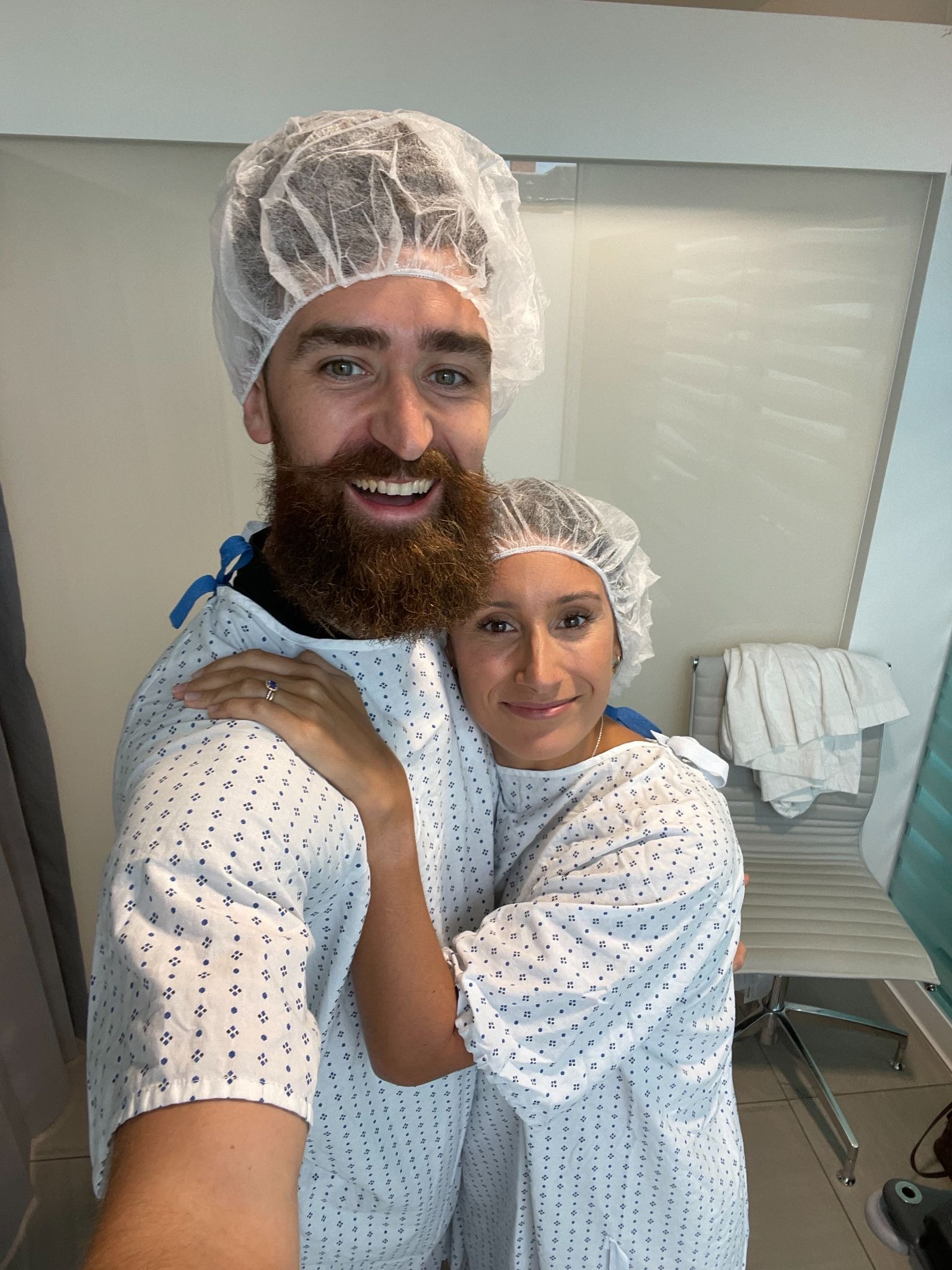
I didn't have the language for it at the time. I'm not sure many men do. We're handed a role on day one, the strong one, the steady one, the one who holds it together so she can fall apart safely. And I took that role seriously. I was proud of it, even. What nobody tells you is that being the steady one doesn't mean you're not grieving. It means you're grieving somewhere no one can see.
There's a moment I come back to a lot. We'd had more bad news, and outside the clinic Eleanor finally buckled, folded over the railings, completely done. I held her. I said the right things. I got us home. And it was only once she was okay, once the door was shut and the day was over, that I let myself go. Not in front of her. Not in front of anyone. Alone, after, when it couldn't worry anyone.
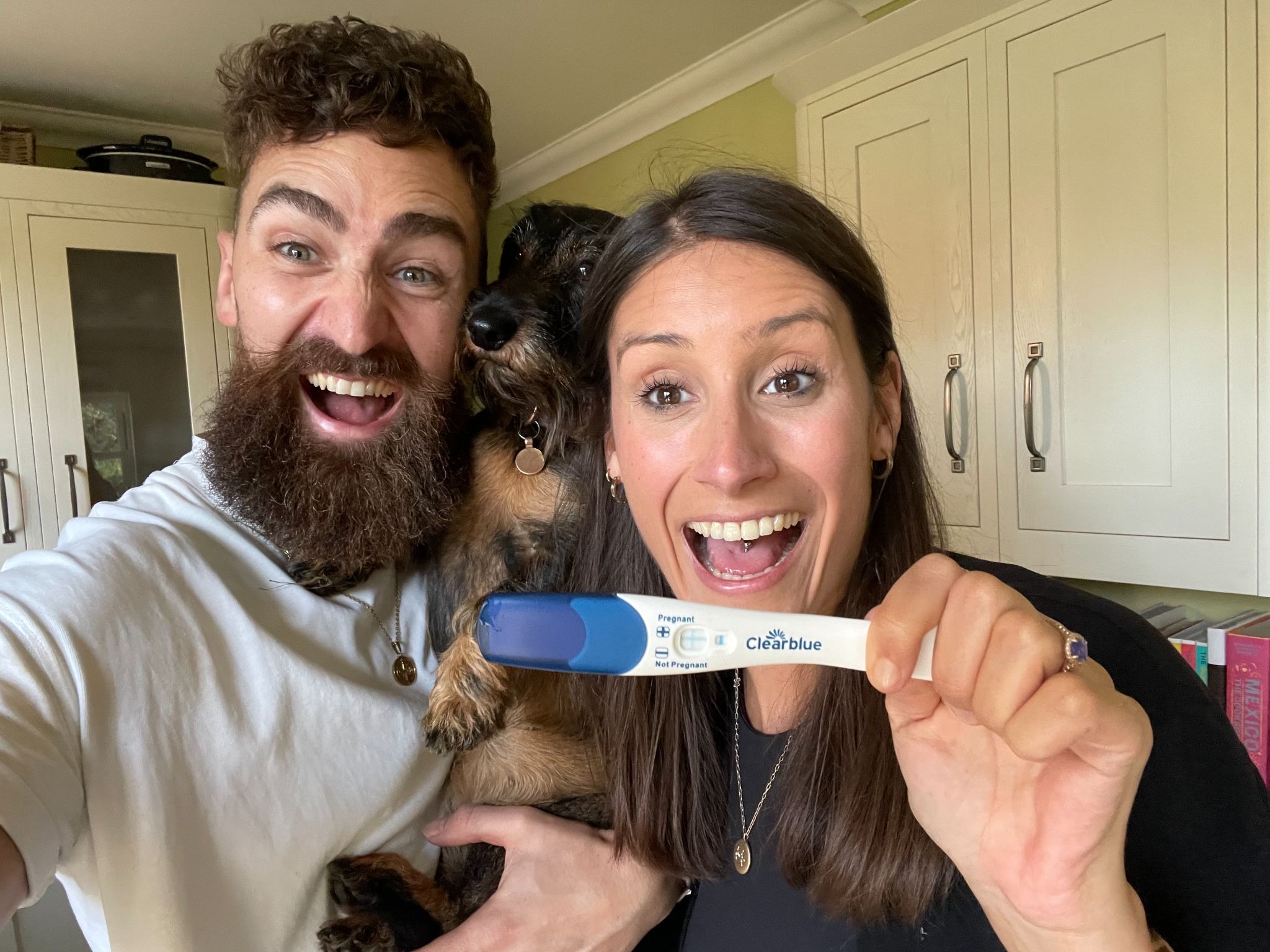
I'm not telling you that to sound noble. I'm telling you because I think a lot of men do exactly this, and we've somehow decided it's normal. We treat the man's grief as a lower priority than the woman's, and in some ways it has to be, because her body is carrying the physical weight of all of it. But "lower priority" quietly became "no priority," and then "no permission." I grieved three of our children. I just did it in the gaps, where it wouldn't get in the way.
The thing about loss like this is that it has no funeral.
No one brings a casserole round when a transfer fails. There's no card for "we saw a heartbeat and then we didn't." You grieve a person you never got to meet, and a whole future you'd already started building in your head, and most of the world has no idea it even happened. For the man, there's an extra layer: often you weren't the one at the scan, you weren't the one in the gown, so people assume you're just the support act. A bystander to your own loss.
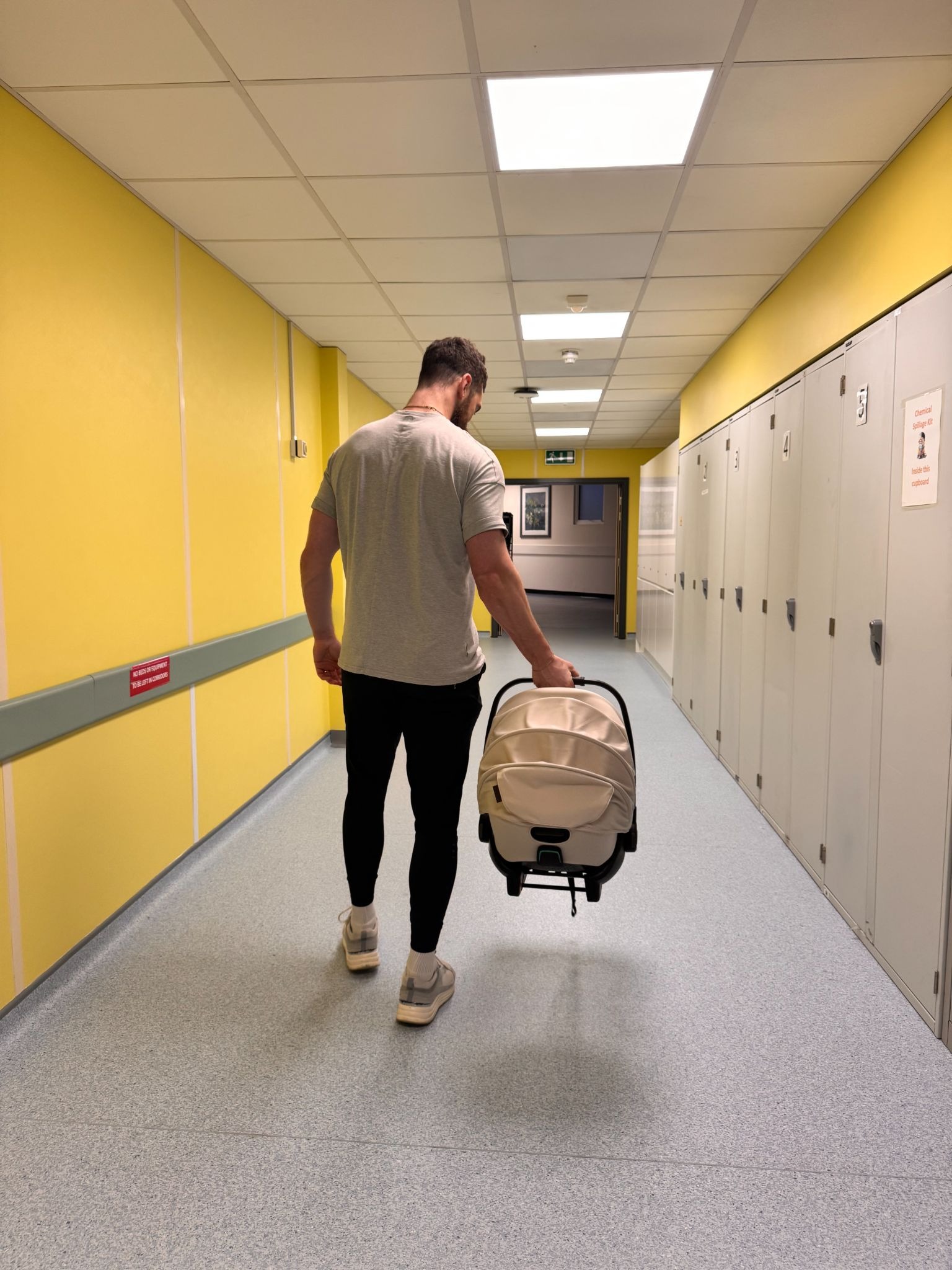
I want to be careful here, because this isn't a competition. Eleanor carried the hardest parts of this, physically and emotionally, in ways I never had to. This isn't me saying men have it worse. It's me saying men have it too, and almost nobody checks.
What did grief look like for me? Honestly, it looked like being fine. It looked like work, and jokes, and getting on with it. It looked like being asked "how's Eleanor?" and answering fully and warmly and never once being asked the second question. It looked like carrying something heavy and smiling so nobody offered to help, because I'd decided helping me wasn't the point.
It took me a long time to understand that pretending I was okay wasn't strength. It was just silence with good posture.
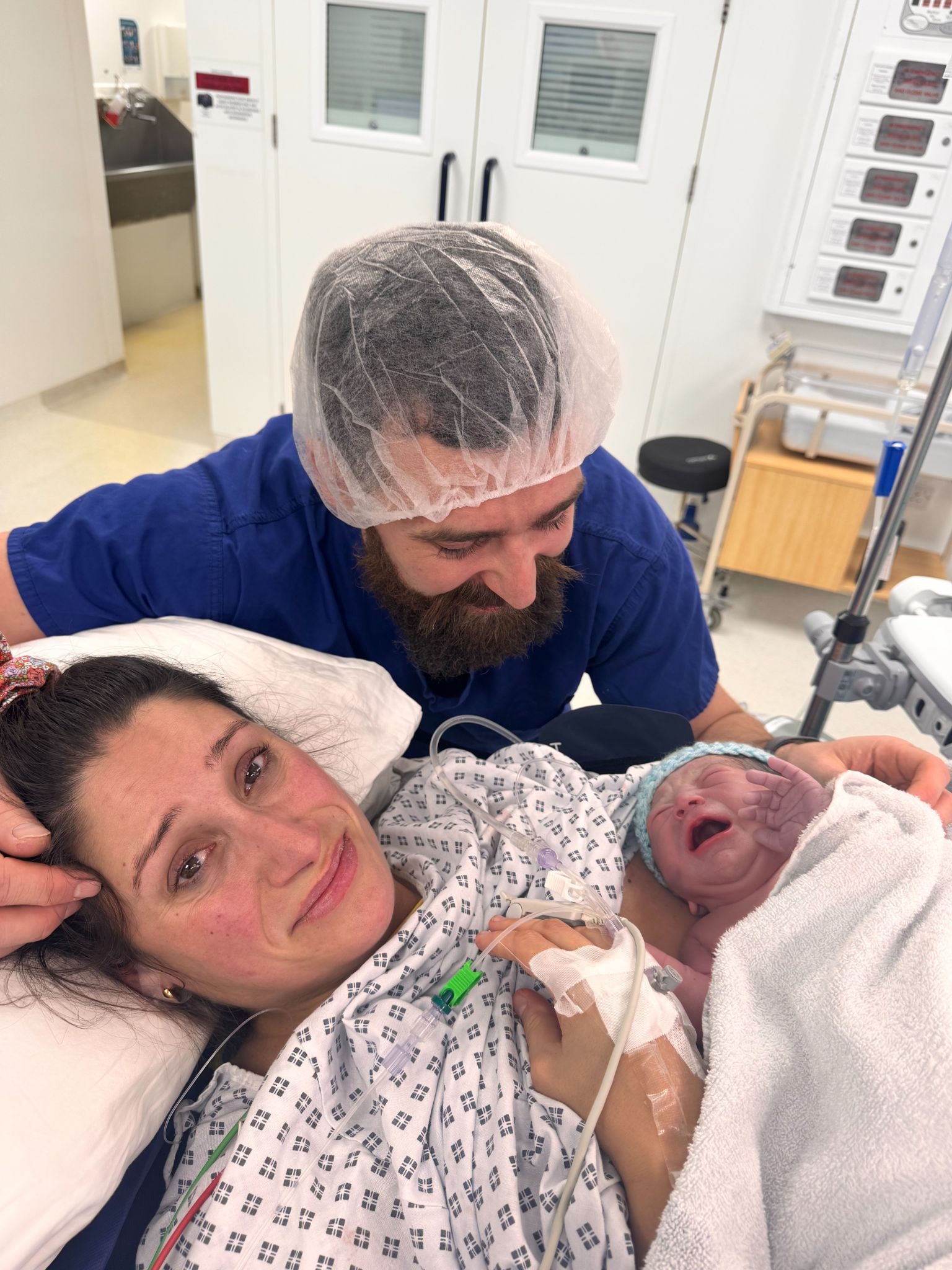
We have our son now. Archie arrived in late 2025, after everything, and I still don't fully have the words for what that felt like. But having him didn't erase the three we lost, and I've learned not to expect it to. Grief and gratitude turned out to be able to sit in the same room. I can be the luckiest man alive and still ache for the ones who didn't make it here. Both are true. I've stopped trying to make one cancel the other out.
If I've learned anything worth passing on, it's this. You are allowed to grieve the things that didn't happen. The pregnancy that ended. The version of your life you were promised and didn't get. And if you're the partner, the one everyone assumes is just there to hold the other person up, you are allowed to put your own grief down somewhere too. It doesn't make you less of a support. It makes you a human being who is also going through it.
To the men reading this who are doing what I did, holding it together so well that nobody thinks to ask, let someone ask. Or ask yourself, properly, the question no one else did. How are you actually doing?
Because you're not a bystander to this. You're in it. And your grief deserves space just as much as anyone's.
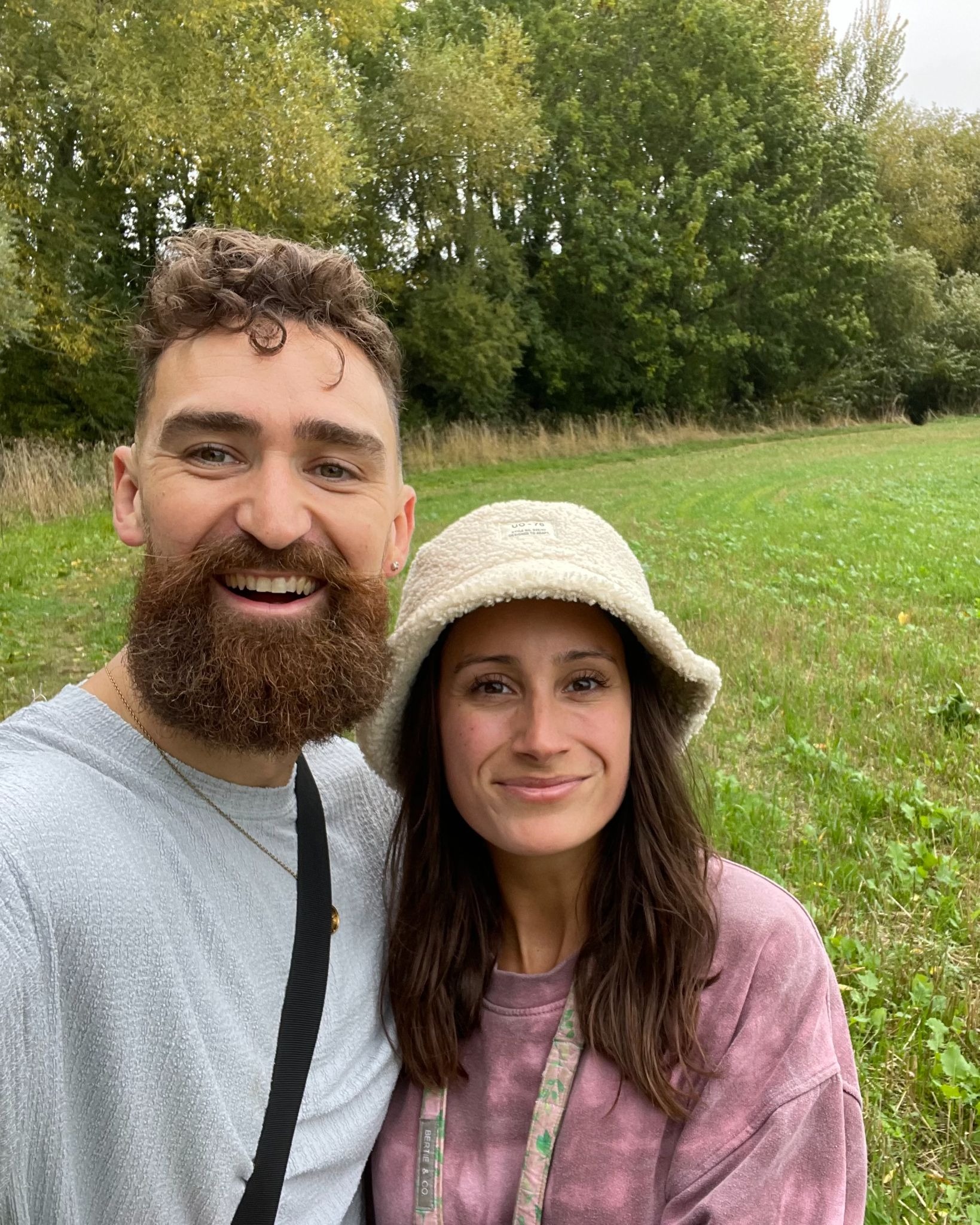
Jacky Maughan is the co-founder of aloomah, a fertility support platform he built with his wife Eleanor after their own five-year journey through IVF and loss. He writes and speaks openly about the male experience of fertility, a side of the story that too often goes unheard.