

Learning to Live Beside Grief
.png)
Grief entered my life through different doors.
Sometimes it arrived with a phone call.
Sometimes it came with a diagnosis.
Sometimes it came wrapped in silence—the quiet realization that someone you love is still here, but life will never look the way either of you imagined.
People often ask if grief gets easier with time. I do not know that it gets easier. We become stronger at carrying it.
Grief has been a companion through much of my adult life. It began with the unimaginable loss of my younger brother to violence. Years later, I lost my mother. Just eighty-nine days after saying goodbye to her, I buried my father. Those losses did not happen in isolation. They became intertwined with the responsibilities of being a mother, a caregiver, a professional, and the person everyone seemed to depend on.
Life did not pause because I was grieving.
There were jobs to do, bills to pay, children who needed me, appointments to keep, and people who expected me to continue being the dependable version of myself. So, I did what many grieving people do—I survived.
From the outside, survival can look like strength. Inside, it often feels like exhaustion. For a long time, I thought grief was something I was supposed to move beyond. I waited for the day when I would wake up and feel like the person, I had been before loss. That day never came.
Instead, I slowly realized that grief is not something to conquer. It is something you learn to carry.
Some years are manageable. Then a birthday arrives. Mother’s Day falls on my mother’s birthday. Father’s Day appears on the calendar. An ordinary trip to the grocery store turns into a conversation with a stranger who has also buried loved ones, and suddenly I am reminded that grief quietly connects people in ways we never expect.
I have learned that grief has layers.
Every new loss awakens the ones before it. My parents’ deaths reopened the wound of losing my brother. Caregiving through my daughter’s mental illness sometimes reminds me how much I wish I could still call my parents for advice. Grief is not linear, and it is not isolated. It echoes.
What has surprised me most is that grief has also deepened my compassion.
I find myself noticing people more. I understand that everyone I pass may be carrying something invisible. A smile, a conversation, or simply listening without trying to fix someone can matter more than we realize. Some of the most meaningful moments of healing have happened between strangers who recognized pieces of themselves in each other’s stories.
I still have difficult days. There are mornings when I feel emotionally drained before the day even begins. There are anniversaries that catch me off guard. There are moments when I miss my parents so intensely that it feels impossible to explain to someone who has not experienced this kind of absence.
But there is also gratitude.
Gratitude that I loved people deeply enough to miss them this much.
Gratitude that I can still speak their names. Gratitude that my experiences allow me to sit beside someone else’s grief without judgment or rushing them toward healing.
If there is one thing grief has taught me, it is this: Healing is not forgetting.
Healing is learning that love does not end when someone’s life does. My grief has not disappeared. It has simply become part of me. It has shaped how I love, how I listen, how I show up for others, and how I move through the world.
Today, I no longer measure healing by how little I cry.
I measure it by my ability to continue living while making room for the people I carry with me every day.
They are gone.
But they are still part of every step I take.
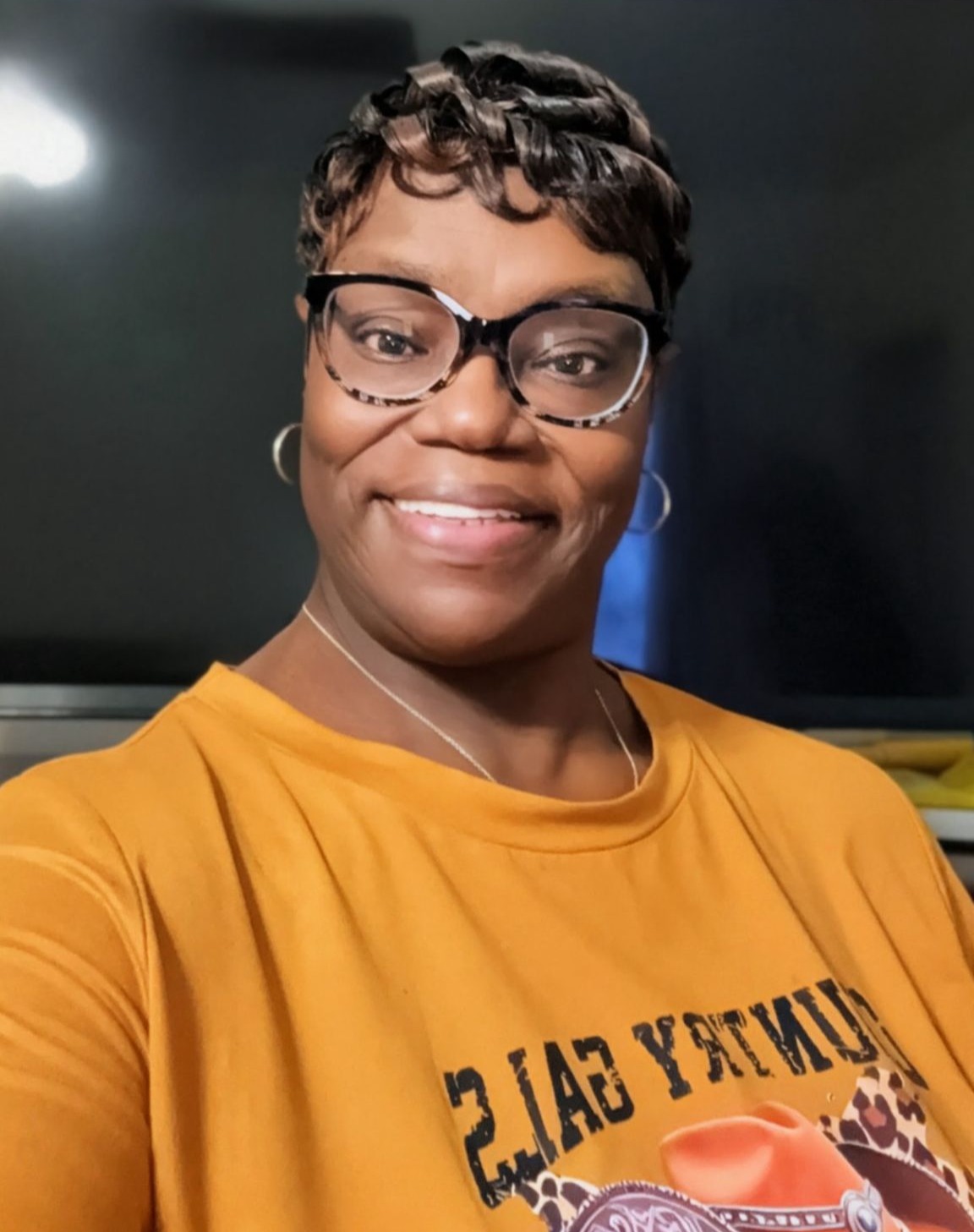
As a healthcare professional and caregiver with nearly 26 years of experience serving others through compassion, advocacy, and human connection, Sharon Page has dedicated her life and career to building relationships, bridging gaps, creating trust, and empowering others. By sharing her personal experiences with grief, she hopes to help others feel seen, understood, and a little less alone.


.png)
.png)
.png)