

On Finding Community Through Loss
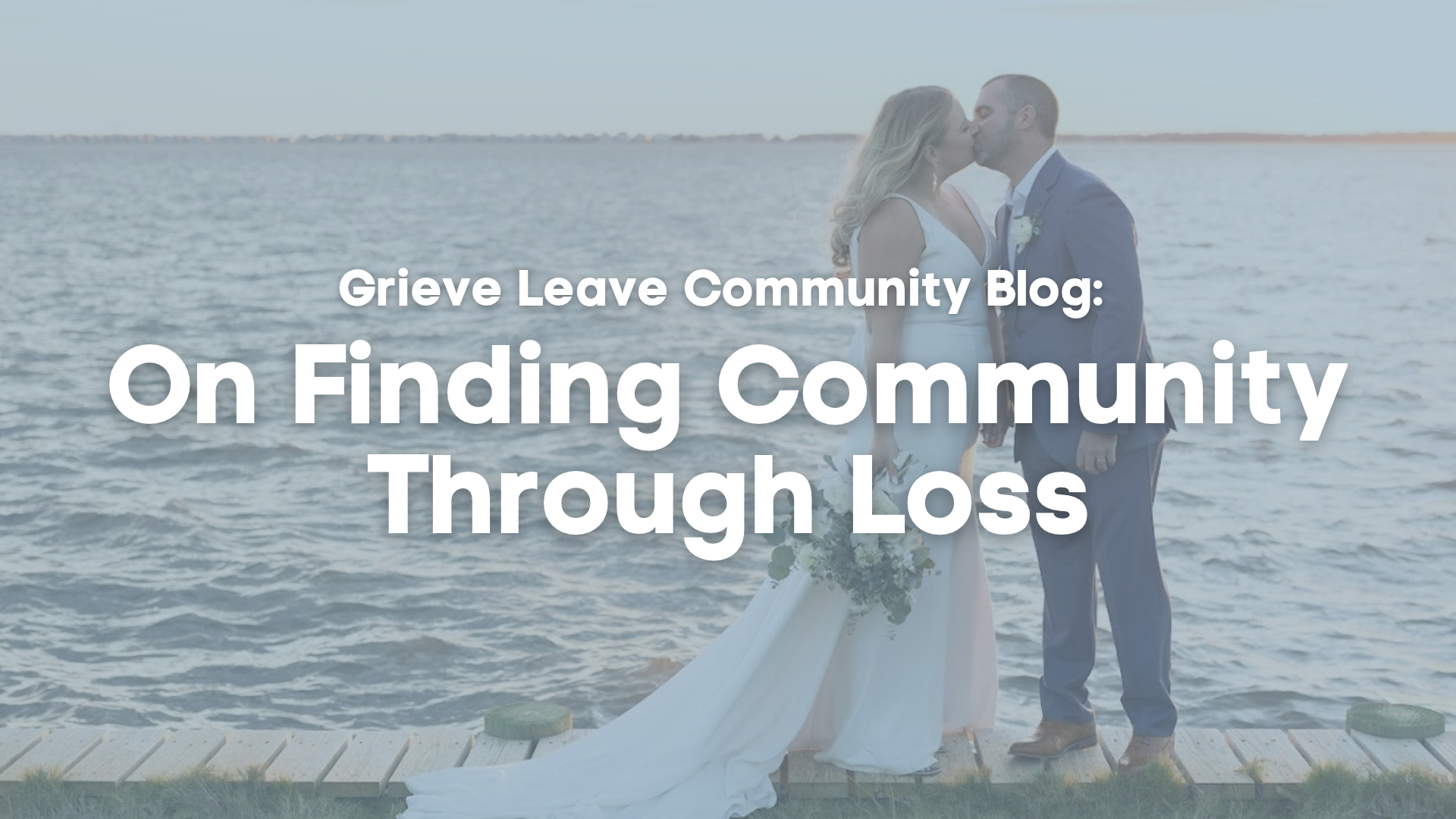
My name is Allie Johnson, and I’m 40 years old. I lost my husband, Chris, on November 12th, 2024.
I met my husband when I was 29, and our relationship defined the trajectory of my life and personal growth in my 30s. The unconditional love and safety in our relationship created the foundation for my ability to love and trust myself for the first time in my life. Though I didn’t know it at the time, our love also created the strength that I would need to survive losing him suddenly. It’s such a paradox.
Chris was away on a business trip in Texas when he ingested cocaine that was laced with a lethal dose of fentanyl. I FaceTimed with him on a Monday night, and he was dead on a Tuesday morning.
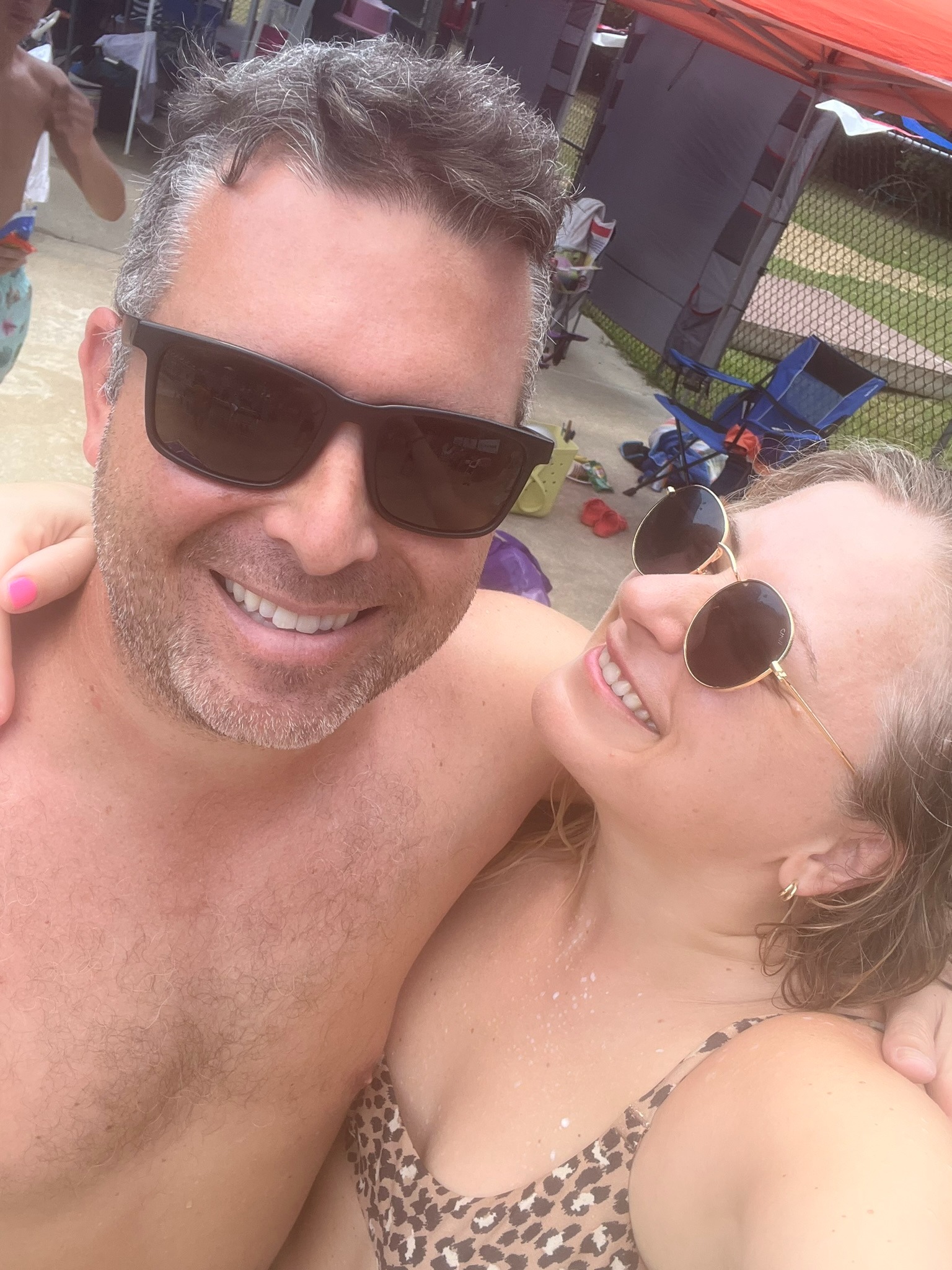
We were together a little over 8 years and married for 3 when he died.
Overnight, I was a widow, at 38 years old.
I think most people who have experienced loss are simultaneously grateful for the outpouring of love and support that arrives immediately after the death and bewildered at the silence and isolation that follows when those around you inevitably return to their normal lives while you stand in the wreckage of a life obliterated. In the weeks following the obituary writing and funeral organizing, I resumed a life that bore no resemblance to anything I recognized. A life that I didn’t want or chose. A life that no one around me who loved me could relate to, thankfully. I acutely felt that divide in understanding as I moved through my grief in those early months. As much as my nearest and dearest wanted to support me, no one could understand the total devastation caused by sudden severing of the thousands of tiny intimacies that made up our life together. How could they?
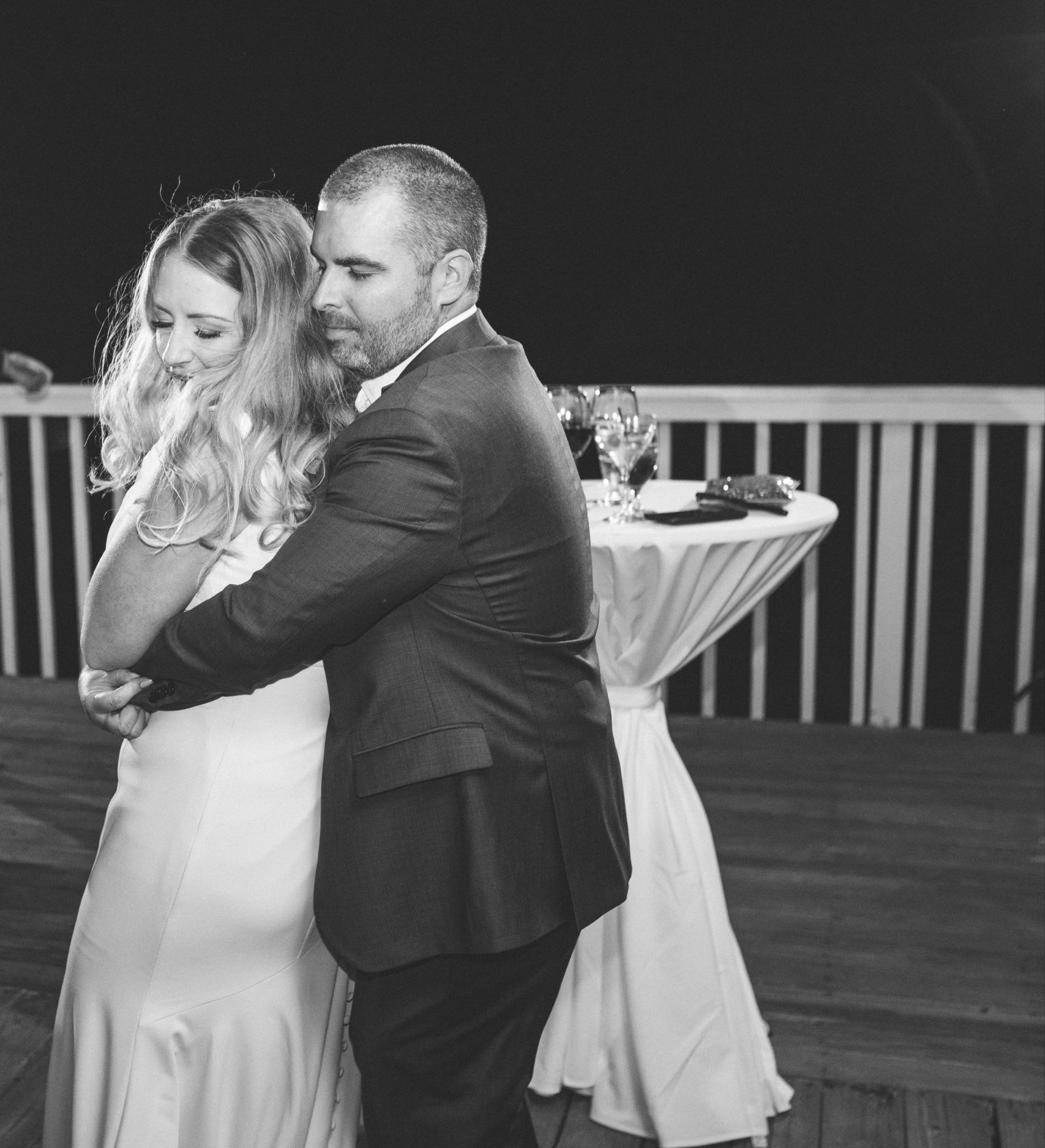
In my grief, the most heartbreaking disconnection I felt was with a few of my longtime friends, women that I considered my sisters. I know that disconnection was acutely felt on both sides. I was no longer the woman I was before this happened. Our parallel experiences of living similar lives with shared milestones were now over.
Early on after Chris’s death, through the dull fog of shock, I made a commitment to myself to walk through my grief clear eyed, sober, and completely unconcerned with the comfortability of others around me. I knew that the rawness of my pain was meant to be experienced in whatever form it surfaced. The only way out that I saw was through.
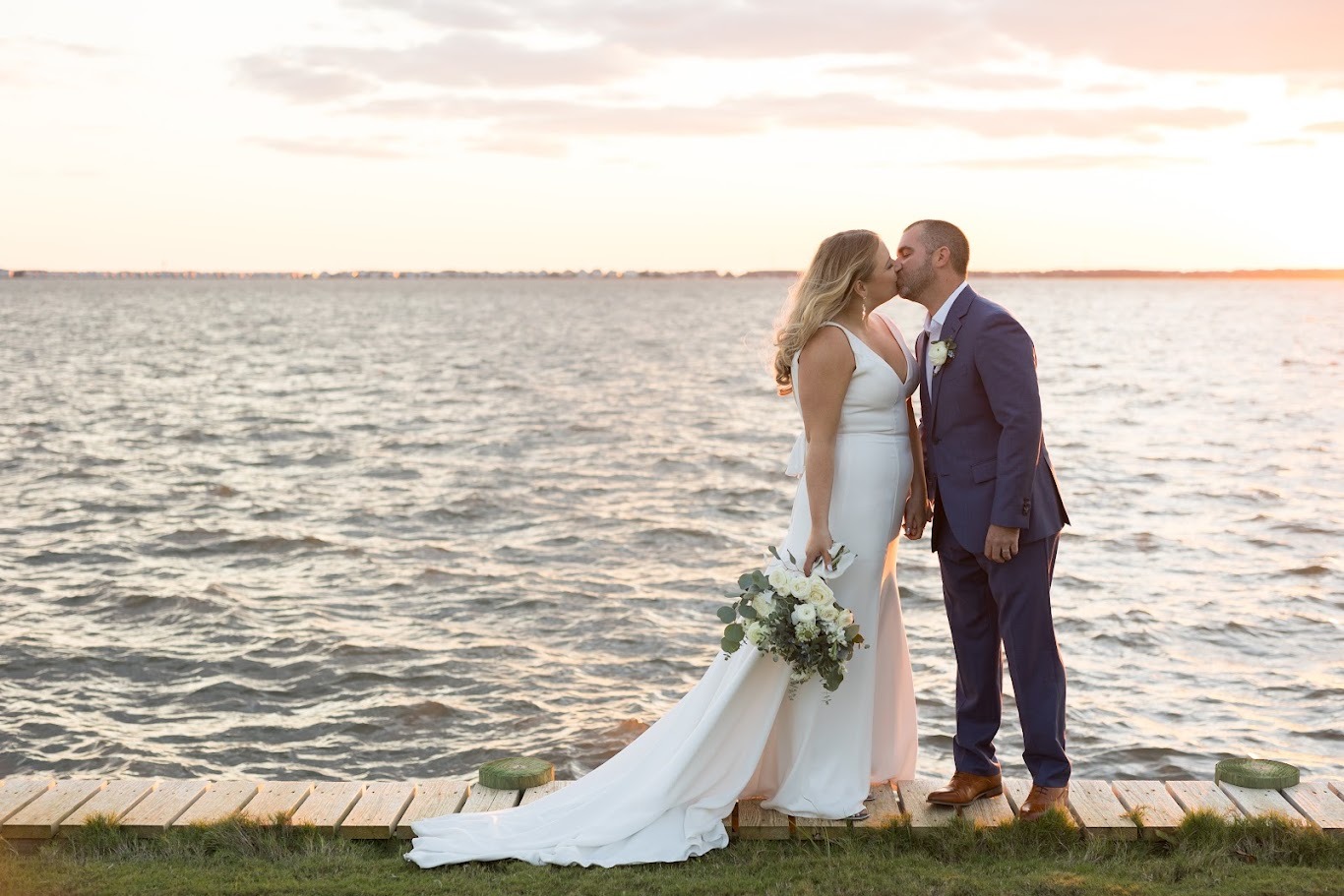
This commitment I made, though it was the right decision, furthered my isolation. It’s very hard to see someone you love in pain and not be able to offer solace or understanding. But being on the receiving end of well-meaning platitudes only increased the simmering rage I felt at being forced to live a life forever altered by Chris’s choices.
The rawness of my grief and pain had taken me down a path that some of my closest friends couldn’t bear to go. It broke my heart on top of my grief.
Anger is an uncomfortable emotion to embrace, especially as a woman, and especially as a wife grieving the loss of her husband. My anger lived alongside my love for Chris. The dichotomy of those emotions felt unbearable to navigate, even with the guidance of an excellent grief-focused therapist.
Though my grief felt paralyzing, it also propelled me out into the world to seek community with fellow grievers, almost immediately. I truly felt like I was going to die if I didn’t connect with other people who had similar experiences and could relate to and validate my feelings. Out of pure desperation that didn’t feel like courage, though I recognize it as courage now, I started going to any support group that would have me. In person widower and widows meet-ups, virtual partner loss support groups, in person support groups for substance-related loss. I went to it all. In the first year after Chris’s death, my life became centered around seeking and giving support to fellow grievers. And it saved me.
In a community of broken hearts, I saw a place where my pain was valid and sacred. Something to be felt and honored, not rushed under the guise of moving on. My pain wasn’t unpalatable and I wasn’t misunderstood anymore. The strangers I met became my companions in grief and unwavering witnesses to my pain.
Almost two years post-death, I can honestly say that the thing that saved me from a life of bitterness and isolation was the community of grievers I sought out. I can now give comfort to those in the mind-numbing days of early grief, when your life has blown apart. I can hold their pain as mine was held.
If there’s anything to take away from my story, let it be this—the alienation of grief can be lessened with community. If you are experiencing a loss of any kind, there is community to be found that will hold you, even if you feel completely alone.
Thank you, Grieve Leave, for being a place of community for grievers, of any kind. May we all find comfort in our shared pain.