
The Ghost of My Culture
This is the fourth Hispanic Heritage Month I have officially been able to celebrate and honor my lineage, and while there is a sense of relief that comes with knowing where I came from, there’s also a ton of grief.
My mom was adopted and never got the chance to meet her birth family. She died at the age of 57 while vacationing with friends.
.png)
Growing up, I always knew she was of Latin descent. Every time we were in the airport together, inevitably, a Spanish-speaking traveler would flock to her like a bug to the light, looking for help in a friendly tongue, only to be zapped with a little giggle and a shrug. She never learned Spanish, having been adopted by an Irish-German Catholic family. (Although I can hear her yelling at me from heaven that she was on a 528-day streak on Duolingo.)
Anyone walking down the street might have made assumptions about her background, but for me, an assumption wasn’t enough. I wanted to know the family recipes, traditions, stories, and lore. She claimed she couldn’t care less, but I think that was her coping mechanism for feeling like her birth mom and dad had abandoned her.
One year for Christmas, my brother and sister-in-law got me genetic testing, which was really cool. I got to see the breakdown, with my mom’s side showing a clear Hispanic background of “Indigenous” and “Spanish.” It confirmed what I knew deep down, but the answer wasn’t enough.
Then, in the early spring of 2023, about seven months after my mom died, I received a phone call from someone claiming to be my cousin.
What happened after was a spiral into the truth.
My mom was born Laura Jean Ortiz.
She was the first child of a young mom who was just 15 at the time. A High school couple got pregnant much too soon, and my great-grandmother decided it would be best for my mom to go to what she believed would be a proper home.
Since then, I have met my biological grandmother and my mom’s biological siblings. I’ve received a phone call from my biological grandfather. They are all still alive. I’ve attended an Ortiz family reunion and met over 200 of my “closest” relatives.
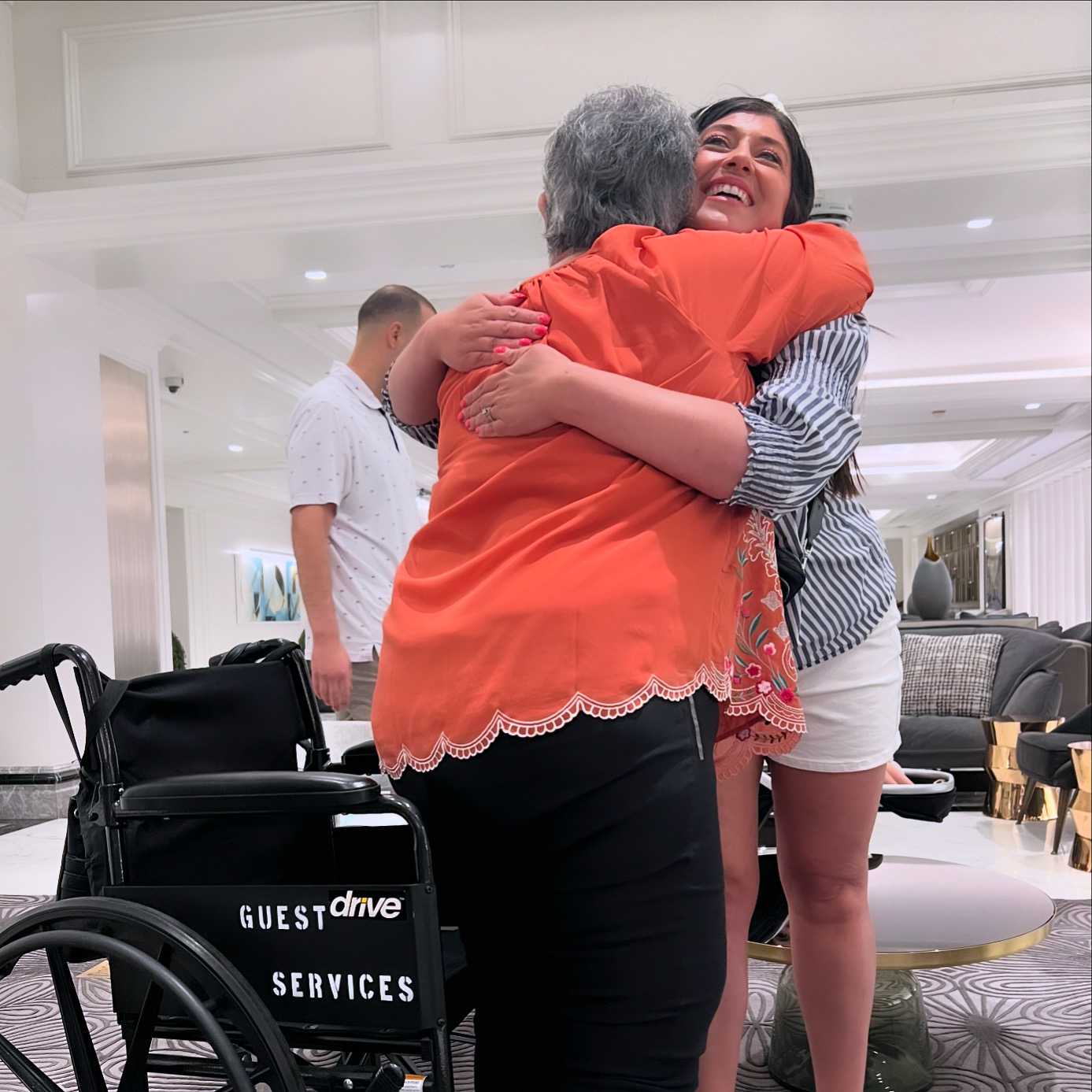
In the beginning, it was new, exciting, and honestly, addicting—to meet and learn more about the people who so greatly resembled my mom, mimicked her mannerisms, and had stories to tell me about my background and my lineage as part of one of the first Mexican families to cross the border and settle in northwest Illinois.
Yet what came after was a hangover.
The realization that while I am blood, I was never truly a part of that life. And it’s hard to integrate yourself into the idea of a new family at the age of 36. (Now 39.)
I also learned the secrets and shadows that every family has, and it made them harder to accept as an outsider. My mom’s adopted family had their fair share of those, too, but somehow those were easier to accept because they were simply part of life—versus making the intentional choice to jump into a whole new set of them.
Then I started to wonder which family had it worse, playing the game of trauma Olympics in my head. Who had it worse? Narcissistic abuse or Alcoholism and domestic violence? I wondered whether my mom would have still made it out the way she did—a successful educator with a master’s degree and a vibrant life she loved, one that sadly ended far too soon.
The curious thing about my story is that although I always felt culture-less, I always gravitated toward what I am.
In fifth grade, I watched Selena for the first time, and it quickly became one of my favorite movies. Anything for Selenas.
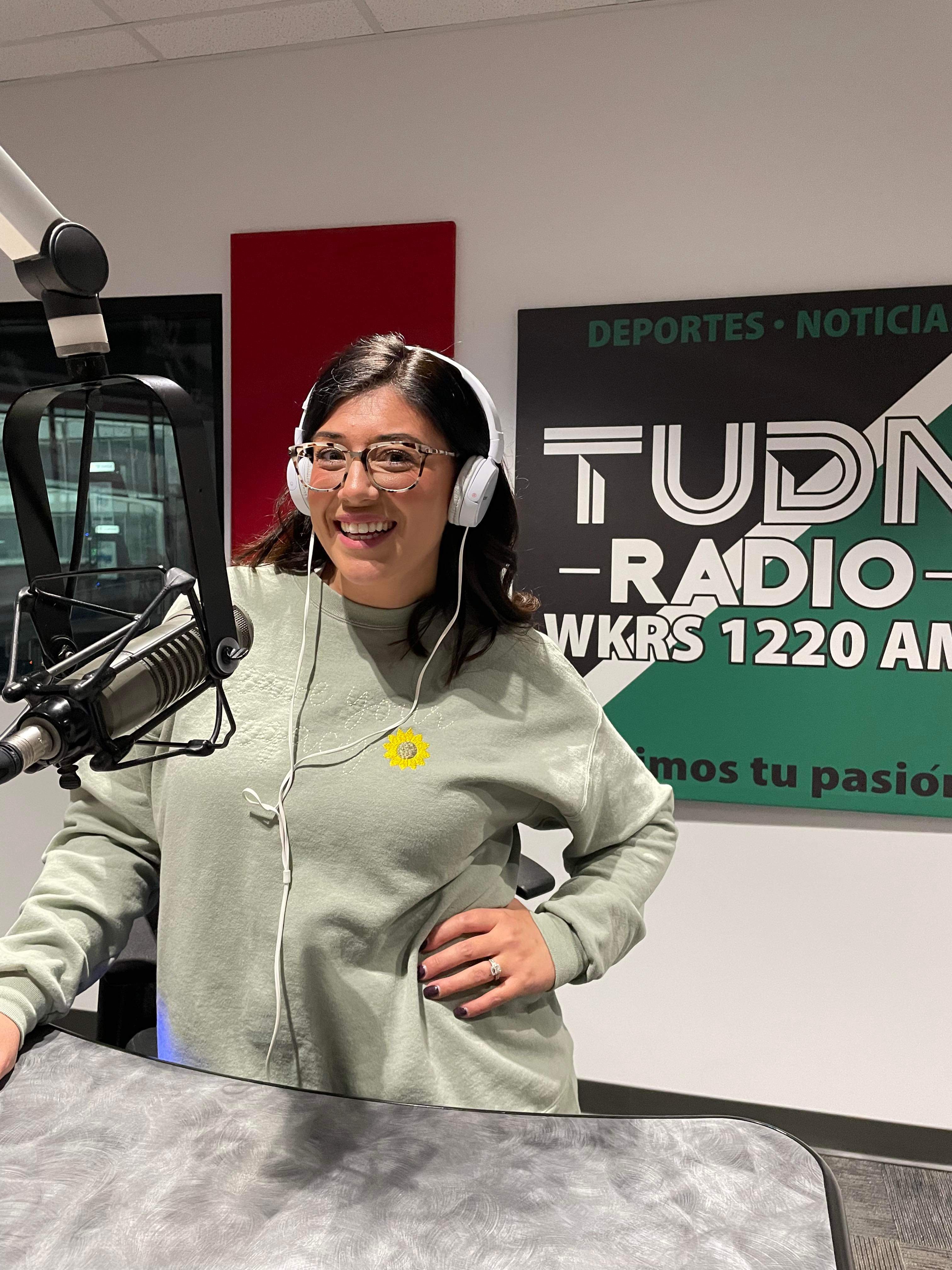
I studied abroad three times. I made speaking Spanish my initial career, working for 13 years as a high school Spanish teacher and now as a Spanish-speaking educational specialist.
I married into the equivalent of a My Big Fat Greek Wedding family, if only that movie were about Mexicans.
My kids, who truthfully look gringa AF, are actually 75% Hispanic.
And yet, each year, when this celebration of Hispanic culture comes around, I feel less than.
I feel othered. “She grew up white.” And yet, I received all the teasing of a minority.
I guess, if I’m being honest with myself, there is grief in this story, too. The grief of never knowing—and finding out too late. The grief of feeling robbed of my culture, while also feeling blessed that my mom grew up to be functioning and strong enough to break generational cycles that existed in both her nature and nurture environments.
The grief of seeing and following my aunts and uncles on social media, but not REALLY knowing them.
The grief of feeling like the ghost of my culture has been breadcrumbing me every step of the way, bringing me to where I am today—working and married inside my culture, yet still feeling like I am not worthy enough to claim it.
I know grief can be ambiguous, but this one feels extra hard to name.
So, for anyone out there experiencing imposter syndrome this Hispanic Heritage Month, this one is for you.
Te veo.
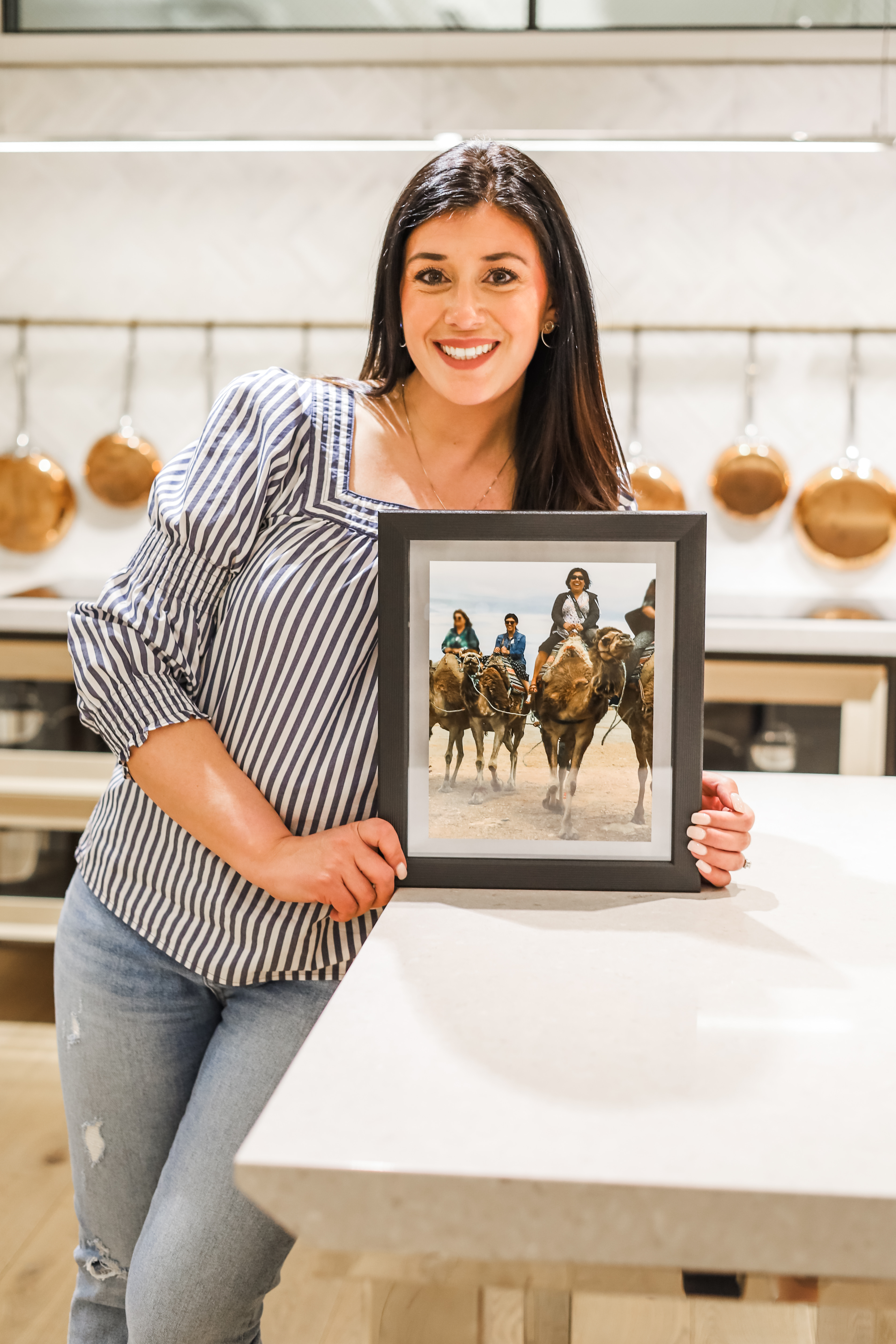
Kera Sanchez, M.Ed., is the founder and Editor-in-Chief of Get Griefy Magazine and Get Griefy’s Small Business Collective. With more than 15 years of experience in secondary bilingual education, she is also the creator of Grief U for EDU, a professional development program that equips secondary educators to create grief-informed learning environments where students can continue to thrive while navigating loss.


.png)
.png)
.png)